Toyota Hilux Buyer’s Guide and Deal Finder
Toyota Hilux shoppers can use this guide to compare listings, verify vehicle history, and choose a fair purchase path. The Hilux is a widely traded mid-size pickup known for durability and strong resale value in many markets. This article provides objective background on how to evaluate offers and avoid common buying mistakes, with supplemental reference resources from major U.S. car listing and trading platforms.
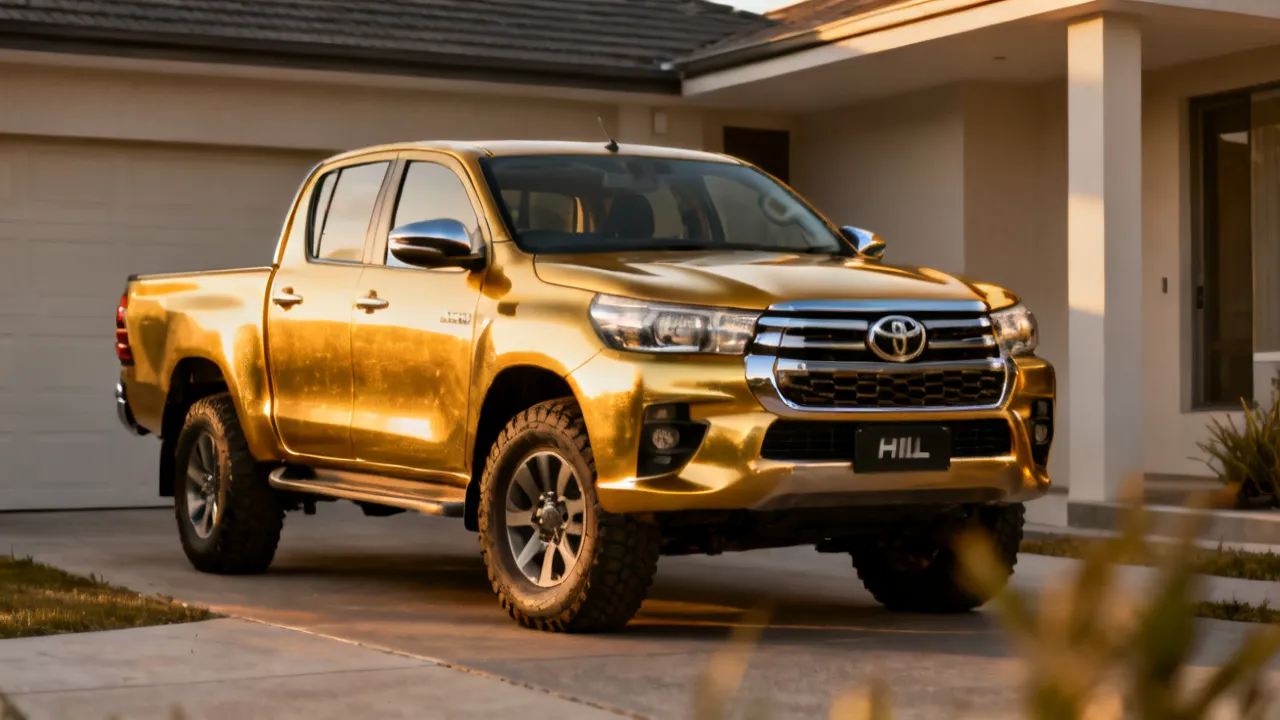
Start Here: How to Choose the Right Hilux Listing
If you’re shopping for a Hilux, your highest-impact actions happen before you ever negotiate: compare multiple listings, confirm the vehicle’s condition with documentation, and align the truck’s spec with your intended use (work, towing, weekend travel, or mixed driving). A “good deal” is rarely only about the sticker price—it is about how accurately the listing reflects mechanical health, ownership history, and title status.
From an industry perspective, the very reliable way to buy a used pickup is to treat every offer as a structured risk decision. That means verifying data, checking for red flags, and ensuring the truck’s maintenance story matches the way it has been used. When you buy a Hilux for dependability, you’re buying a long-term relationship between the vehicle and your time and budget; therefore the listing must be treated like evidence, not like marketing.
This guide expands on the same core idea in practical terms: how to evaluate Hilux listings step-by-step, how to spot when “cheap” is actually expensive, what documentation to request, which checks matter most, and how to compare listings fairly across platforms. By the end, you’ll have a repeatable workflow that helps you avoid guessing and increases the probability you’ll purchase a Hilux that delivers what you’re paying for.
Why the Hilux Stays Prominent in the Pickup Market
The Hilux has earned a reputation as a practical, durable pickup across many regions where customers prioritize uptime, parts availability, and resale stability. While exact market performance varies by country, the general buyer motivation is consistent: people want a vehicle that can handle daily driving and occasional heavy tasks without frequent expensive surprises.
Importantly, the “value” of any specific Hilux listing depends on the individual truck—its mileage, service record, collision history, and whether wear components (tires, brakes, suspension items, belts/hoses, and drivetrain fluids) have been maintained on schedule.
It helps to understand how Hilux ownership patterns influence listing quality. In many markets, Hilux trucks are used for work: transporting tools, hauling light loads, towing at least occasionally, or enduring rough roads. That doesn’t automatically mean “bad condition.” However, it means you must interpret mileage differently. A 100,000-mile truck used for hard jobs may experience more wear than a 100,000-mile truck driven mostly on highways. So you should use the listing to infer usage patterns—and then verify those in the inspection.
Likewise, some Hilux trucks become “fleet” vehicles or are used by individuals who put on miles consistently without necessarily documenting maintenance. Fleet use can mean regular servicing, but it can also mean standardized maintenance schedules with fewer discretionary repairs. Individual ownership can mean better care and records—or it can mean “good enough” servicing with incomplete paperwork. The listing will rarely tell you the entire story; your job is to confirm what’s claimed.
Key Decision Factors for Any Hilux Deal
To evaluate Hilux listings objectively, focus on these variables in roughly this order:
- Title and ownership clarity: Verify whether the vehicle has a clean title, branded title, or any history that affects registration or resale.
- Maintenance documentation: Prefer trucks with consistent service records (oil changes, scheduled inspections, major repairs, and parts receipts where available).
- Condition assessment: Walk around for panel alignment, tire wear patterns, underbody corrosion, and signs of leaks; then confirm with a mechanic inspection.
- Drivetrain and usage fit: If you plan to tow or drive off-road, confirm the relevant drivetrain configuration and check for prior abuse indicators.
- Market pricing alignment: Compare the listing price against similar Hilux configurations (year range, mileage band, trims, drivetrain type) on multiple platforms.
For an expert-level approach, don’t rely on one listing alone. Instead, triangulate: if a Hilux is priced meaningfully below comparable offers, treat that discrepancy as a question—why is it priced that way? Sometimes it’s justified (minor cosmetic work, recent maintenance, or a quick sale). Other times it can reflect hidden problems: unresolved mechanical issues, prior flooding, inconsistent repairs, misrepresented mileage, or title problems.
Think of this like underwriting. In underwriting, the price accounts for known risk and uncertainty. In used-car buying, your job is to reduce uncertainty through documentation and inspection. If you can’t reduce uncertainty, then the “cheap” price isn’t actually cheap—it’s a premium you’re paying in the form of future unknown repair costs.
Supplement: Official Car Trading Websites to Monitor Hilux Inventory
When searching for a Hilux, it’s practical to monitor inventory across reputable listing networks and official trading pages. Below is a comparison table of major platforms mentioned in the provided reference information. It summarizes what each site typically supports (browse listings, compare offers, and verify listing details) so you can decide where to search first.
| Platform | Common Use for Car Shoppers |
|---|---|
| cars.com | Browse large inventories, filter by make/model (including pickup options), and review listing specifics. |
| Carmax | Explore curated used vehicle selections with a focus on dealer-led buying experience and transparent listing pages. |
| Caronsale | Use as an additional marketplace entry point to find listings and compare availability across regions. |
| Autotrader | Search broad dealer inventories and compare offers while reviewing listing details and pricing cues. |
Source of information:
source: www.cars.com
source: www.carmax.com/cars
source: www.caronsale.com/en
source: www.autotrader.com
Practical tip: treat platforms as “data sources,” not as proof of condition. A listing page can show you trim, pricing, and some photos. But you still need to confirm what the photos do and don’t reveal. Using multiple platforms also helps you recognize when a seller’s pricing is out of range—either too high or suspiciously low.
How to Find a Cheap Hilux (Without Guesswork)
“Cheap” should be interpreted as good value, not merely the lowest number on a listing. Industry professionals often use a two-step method: (1) find candidates by price and filters, then (2) confirm that the candidates don’t carry disproportionate risk.
Many buyers make the mistake of treating the first step as the whole deal. They see a low price, message the seller, and then hope the truck is fine. But in reality, the first step only identifies where your uncertainty is higher or lower. A cheap Hilux listing can still be an excellent purchase if the truck is priced low for legitimate reasons (for example: minor cosmetic damage disclosed honestly, tires near end-of-life but otherwise sound, or a seller relocating). However, a cheap listing can also be a trap if it hides mechanical or title problems.
To remove guesswork, you should build a “value vs. risk” comparison. For each Hilux you consider, write down: price, mileage, condition notes from the photos, any disclosed issues, title status, and what documentation is provided. Then ask: what repairs or costs are likely in the next 6–24 months? If your likely near-term costs are low, the listing may indeed be a bargain. If your likely costs are high, the “cheap” price may simply be financing your future repairs.
Step-by-Step Guide: Deal Finder Workflow
-
Define your Hilux “must-haves” first.
- Choose the drivetrain and configuration that matches your use (daily commuting vs. towing vs. mixed use).
- Set realistic mileage and year-range boundaries to reduce irrelevant comparisons.
- Decide what you can tolerate and what you cannot. For example, you may accept minor cosmetic scratches but not accept a history of severe mechanical failure or incomplete documentation.
-
Search on multiple official listing platforms.
Use at least two marketplaces so you can compare how similarly equipped Hilux trucks are priced.
When you search across platforms, keep your filters aligned. If one platform shows a truck with a different drivetrain or a different cab configuration, the comparison won’t be meaningful. The goal is to compare like-with-like: same generation (where applicable), similar mileage band, and similar options.
-
Filter aggressively for consistency.
When comparing deals, keep trims, mileage bands, and drivetrain configuration as aligned as possible. If the comparisons are uneven, the price difference won’t be meaningful.
Also pay attention to how the listing describes condition. If one seller describes “excellent condition” while also listing “needs new tires,” then the phrasing may be marketing. Your evaluation should come from disclosed facts and visual evidence, not from adjectives.
-
Validate the listing details immediately.
Check for photos of key areas (tires, undercarriage, interior wear, service stickers where visible) and ensure the listing text aligns with what’s shown.
A listing with limited photos is not automatically bad, but it raises uncertainty. If a seller refuses to provide additional photos of the same areas after you request them, that’s a data quality problem that should factor into your risk analysis.
-
Request documentation before you negotiate.
Ask for service history, any inspection reports, and clarity on title status. If documentation is missing, plan for a higher inspection budget.
Beyond basic service records, ask targeted questions. For example: “Has the timing-related service been performed if applicable?” or “Were major transmission service items ever addressed?” The purpose is not to quiz the seller—it’s to detect whether the seller can answer clearly and credibly.
-
Schedule a pre-purchase inspection.
A professional inspection can identify issues that listing photos won’t reveal. If the seller hesitates to allow inspection, that hesitation is itself a signal.
If the seller is uncomfortable with inspection, ask why. Sometimes it’s logistical. Sometimes it’s reluctance because the seller expects to be told about problems they don’t want to pay to fix. Your strategy should account for both possibilities, but either way, hesitation reduces trust.
-
Negotiate from evidence, not assumptions.
If the inspection reveals items requiring work, quantify them. A strong negotiation strategy ties the requested price adjustment to specific repairs or near-term maintenance costs.
Negotiation should be anchored to realistic numbers: expected repair cost ranges, time to complete, and risk if you delay repairs. If the inspection suggests a critical issue (for instance, drivetrain leaks or major suspension wear), your offer should reflect that priority.
Conditions to Watch: When “Low Price” Becomes High Cost
Even if the Hilux price looks attractive, certain conditions can convert savings into unexpected expenses. Watch for these common risk factors:
- Discrepancies between photos and descriptions: For example, the listing says “excellent condition,” but tire wear or panel inconsistencies suggest otherwise.
- Unclear ownership history or missing maintenance records: Lack of service history increases uncertainty about engine, transmission, and drivetrain wear.
- Branded or unclear title status: This can affect financing, insurance, and good resale.
- Evidence of poor repairs: Signs of re-painted panels, misaligned body components, or uneven panel gaps may indicate prior collision work.
- Suspiciously low pricing relative to comparables: This often reflects an underlying issue—verify before committing.
It’s also important to recognize a specific pattern: sellers sometimes under-disclose. For example, they may mention that a truck “has a small oil leak,” but they don’t specify whether it’s a simple valve cover seep, a gasket issue, or something more involved. That’s why a proper inspection matters—because oil leaks can start as minor issues and escalate if the cause isn’t addressed early.
Similarly, a listing may mention “needs brakes soon,” but not disclose brake rotor condition. You may discover during inspection that rotors are warped and require replacement, or that brake work indicates a history of heavy towing without maintenance. Those are real cost multipliers that can quickly erase the “savings.”
Another common risk factor is corrosion. In many regions, underbody corrosion can be more significant than it appears on the surface. A truck may look clean externally but have structural or suspension corrosion that affects safety and repair costs. That’s why undercarriage inspection and careful documentation review are key.
Expert Checklist: What to Inspect on a Hilux
Below is a practical checklist an industry-savvy buyer would use when evaluating a Hilux listing in person or through a mechanic’s evaluation. Consider it a baseline—your local conditions and model generation may require additional checks.
- Engine and drivetrain: Listen for abnormal noises, confirm smooth acceleration, and watch for warning lights.
- Cooling system: Check coolant condition and signs of overheating or leaks.
- Transmission behavior: Evaluate shifting smoothness, and verify no hesitation during acceleration.
- Suspension and steering: Look for uneven tire wear, loose components, or clunking during turns.
- Brakes: Assess brake pedal feel, inspect rotors/pads if accessible, and confirm no vibration.
- Undercarriage: Inspect for corrosion, fluid residue, and evidence of impact or improper underbody repairs.
- Interior wear: Seat wear, steering wheel condition, and pedal wear help sanity-check mileage claims.
- Electrical systems: Test lights, infotainment, windows, locks, and charging behavior.
To make this checklist even more useful, consider expanding it into a “question list” you can use with the seller and with the mechanic.
Engine and drivetrain questions: Does the seller have a record of oil change intervals? Was diesel treated with the recommended additives if applicable in your region? Is there evidence of blow-by or unusual exhaust smoke? Does the truck idle smoothly when warm?
Cooling system questions: When was the coolant last replaced? Are there signs of radiator or hose replacement? Is there any smell of coolant inside the cabin or sweet odor around the engine bay? Are there water spots on components that suggest prior overheating events?
Transmission and driveline questions: Are there records of transmission fluid service? Do shifts feel consistent in all driving modes? If it’s 4WD, how does it behave in low range? If engaging the transfer case causes harsh engagement or grinding, that could indicate wear that needs repair.
Suspension and steering questions: Do tires wear evenly? Are there vibrations at certain speeds that could indicate wheel balancing or worn components? Do you hear clunks when moving over bumps? Are steering components recently replaced, and if so, does the seller provide receipts?
Brakes questions: How does the truck brake in both light and hard braking? Does the brake pedal feel firm or spongy? Is there a pulling sensation to one side? Vibration during braking can point to rotor issues, while delayed response can indicate hydraulic problems or worn pads.
Undercarriage questions: Are there signs of previous underbody patching or “weld-on” repairs? Does corrosion look superficial or deep? Are there oil drips around the differential, transfer case, or axle seals? Even small leaks can become costly if seals require more involved disassembly.
Electrical and cabin questions: Do all power windows operate normally? Does the battery show weak performance during cold starts? Do warning lights appear after driving? Some electrical problems are intermittent and won’t show up during a quick test drive, but a mechanic can check for fault codes.
Comparing “Deals” Across Platforms
A common buyer mistake is treating different marketplaces as if they offer identical pricing quality. In practice, each platform’s mix of dealer inventory, used-car certification practices, and listing standards can differ. That’s why a value-focused buyer compares:
- Whether the listing includes inspection and reconditioning details (when available).
- Whether the seller offers documented service history or at least clear prior maintenance.
- Whether the truck is comparable in spec (trim, drivetrain, cab configuration, bed configuration, and major options).
When you do this across multiple sources, you’ll typically find that the “top deal” is the one with the strongest overall documentation and condition—rather than the one with the lowest displayed price.
To improve your comparisons, you can also normalize pricing. For example, if one listing has new tires and the other has tires near replacement, you can estimate the tire replacement cost and adjust your “effective price.” The same applies to brake pads/rotors, recent battery replacement, and known work already completed. Effective pricing is not “taking the lowest number”; it’s aligning what you’re getting to what it would cost to achieve a similar state after purchase.
Another comparison point: some sellers provide more transparent photos and clear descriptions. A listing with detailed photos of undercarriage, brake condition, and interior can be more trustworthy than a listing with vague statements and few images. That doesn’t mean the detailed listing is always better—but it means you have more data to evaluate risk.
A Hilux Listing Scoring Approach (Practical Risk Ranking)
If you want a structured way to decide among several Hilux options, use a simple scoring method. You don’t need complicated spreadsheets—just a consistent rubric.
Step 1: Create categories. For example:
- Title and registration clarity
- Maintenance documentation quality
- Evidence in photos (tires, undercarriage, interior)
- Seller transparency (responds quickly, answers questions, provides additional info)
- Inspection outcomes (if you can inspect before buying)
- Market price alignment
Step 2: Assign a score from 1 to 5 in each category. A score of 5 means high confidence; 1 means high uncertainty or red flags.
Step 3: Compare totals and interpret them. If two trucks are similar in price but one has a much lower title clarity score or documentation score, you can predict which one likely carries more risk. The goal is to decide with consistent logic, not emotion.
Even if you don’t write the scores down, the mental model can prevent impulsive purchases. “I’ll just see what happens” is the enemy of a dependable Hilux purchase. Scoring encourages you to ask: what could be wrong, and how expensive would it be if it is?
How to Talk to Sellers Without Getting Stalled
Sometimes the hardest part is not the inspection—it’s getting honest information. A seller may be well-intentioned but unprepared, or they may be evasive. Your communication strategy should be polite, specific, and evidence-based.
Use targeted questions: “Can you provide service receipts or a maintenance log?” “Has the truck been in any accidents? If yes, do you have documentation of repair?” “Is there any rust-through on the frame or major underbody sections?” “What tires and brakes were last replaced, and when?”
Ask for photos of the same areas you plan to inspect: undercarriage, engine bay, wheel wells, door jambs, any “problem areas” mentioned in the listing, and the interior condition.
Ask for VIN if appropriate for your location: Some markets allow verification of maintenance, title status, or recall information using VIN. Even if you can’t obtain full details, VIN can help you confirm model and configuration accuracy.
Set expectations about inspection: “I’d like a pre-purchase inspection by a mechanic of my choosing. If there are issues, I’ll base the next steps on the findings.”
If the seller argues against an inspection or pressures you to decide quickly, that’s a red flag. However, there can also be legitimate reasons—like scheduling conflicts or a truck located far away. The difference is responsiveness and willingness to cooperate. A trustworthy seller will usually find a way to accommodate reasonable inspection requests.
Pre-Purchase Inspection: What to Include for a Hilux
A pre-purchase inspection is one of the most valuable steps you can take. It costs time and money, but it can prevent a much larger cost later.
For a Hilux, ensure the inspector covers more than basic “no check engine lights” checks. Ask for:
- Diagnostic scan for fault codes: Even if no warning lights are on, stored codes can reveal ongoing issues.
- Underbody inspection: Focus on corrosion, leaks, structural concerns, and previous repairs.
- Leak inspection: Check for oil leaks at common points and verify fluid levels and signs of seepage.
- Tire and brake measurements: Tire tread depth and brake pad/rotor wear help estimate near-term cost.
- Suspension and steering play: Check ball joints, bushings, tie rods, shocks/struts, and alignment indicators where possible.
- Drivetrain operation check: For 4WD models, verify engagement behavior and check for driveline vibration.
- Road test notes: The inspector should note noises, shifts, braking feel, and any vibration under load.
Also, ask whether the inspector can provide a prioritized list: what is urgent, what is recommended within 3–6 months, and what can wait. This helps you negotiate efficiently because you’ll know what changes your counteroffer should reflect.
If a seller offers a “certified pre-owned” claim, ask for details. Certification can vary widely. Confirm whether it includes a comprehensive inspection scope and whether you can see the report. Without a report, “certified” is a marketing term, not a risk reduction tool.
Test Drive Like a Buyer, Not Like a Tourist
A test drive should be structured. Many people drive a used pickup like they’re evaluating a new car: “Does it feel smooth?” But for used trucks, you want to observe specific behaviors that can indicate wear.
Start cold (if possible): A cold start can reveal rough idle, timing issues, or noisy components that disappear when warm. If the seller starts the truck before you arrive, you lose diagnostic visibility. Ask if you can witness the cold start or at least schedule so the truck can be checked early.
Check acceleration and hesitation: Smooth acceleration is a good sign. Any hesitation, surging, or power loss can indicate fuel delivery issues, throttle response problems, or transmission behavior concerns.
Observe shifting: In automatic transmissions, shifts should be smooth and predictable. Hard shifts or delayed engagement can become expensive repairs later.
Test braking under controlled conditions: Pay attention to brake feel, pedal travel, and any vibration. Vibration often relates to rotor issues. Pulling can indicate uneven brake wear or alignment problems.
Drive over bumps and turns: Clunks can indicate suspension wear. Steering that feels loose or inconsistent can be alignment or steering component issues.
If you plan to tow or drive off-road: Confirm drivetrain behavior. Engage relevant modes (as appropriate and safe). Listen for unusual noises during load or during 4WD engagement (if your model supports it). Don’t push the truck beyond safe limits, but do observe how it behaves under realistic conditions.
After the test drive, write down what you noticed while it’s fresh. Photos help, but your memory helps more. You can use these notes in negotiation and inspection.
Title and Ownership: What to Verify and Why It Matters
Title issues are not merely paperwork problems—they can change financing, insurance, registration, and resale value. A Hilux with a clean title generally offers smoother purchase and long-term ownership. A branded title or unclear ownership history introduces additional risk and cost.
When reviewing title status, verify:
- Whether the title is clean or branded: Some brands can still result in an operable vehicle, but they affect resale and can signal prior major damage.
- Whether the seller is the rightful owner: Confirm identity matches the documents.
- Whether there are liens: If the vehicle is financed, ensure the lien release process is understood.
- Whether the VIN matches the listing and documents: Mismatches can indicate administrative problems or fraud.
Even if a truck seems mechanically perfect, title complications can make it “not cheap” in practice. Your insurer may require additional documentation or may quote higher rates. Your lender may refuse financing or impose conditions. Your eventual resale may be harder if you’re competing with clean-title listings.
Maintenance Records: How to Interpret Them
Maintenance documentation is often the best predictor of future problems—because it reflects both mechanical care and ownership habits. However, not every record is equally helpful. You should interpret maintenance history intelligently.
Look for consistency: Regular oil changes and scheduled services suggest a careful owner. Sporadic records are less reassuring, especially for vehicles used for heavy towing or off-road.
Look for major service intervals: For example, transmission fluid service (where applicable) and cooling system service can be important. If a seller only provides receipts for minor items but never for drivetrain-related service, that’s uncertainty.
Look for parts quality: If service records show premium parts or reputable service centers, it’s generally better. If records show generic replacement parts with no invoices or unspecified work, you may have less confidence.
Look for “gaps”: A vehicle with documentation for early years but missing records later may have been maintained poorly or may have had repairs done off-record. That’s not automatically bad, but it changes your risk calculation.
Match documentation to the truck’s story: If the truck was marketed as “low-use weekend driving,” but service records show frequent replacements of wear parts consistent with heavy use, then the story may be inaccurate. Your goal is alignment, not perfection.
Rust, Corrosion, and Undercarriage: The Hidden Cost of “Looks Good”
Many used pickups pass basic visual checks but fail undercarriage evaluation. Rust and corrosion can be more costly than people expect. A Hilux might have clean body panels yet have corroded suspension mounts, weakened frame areas, or compromised brake lines.
When inspecting, focus on:
- Brake lines and fittings: Corrosion can lead to leaks and unsafe braking.
- Frame rails and crossmembers: Look for deep pitting, scaling, or rust-through.
- Suspension mounting points: Corrosion here can make repairs more complicated.
- Fluid residue: Oil, differential fluid, or coolant residue can show leaks and seepage.
- Evidence of underbody repairs: Fresh welds, patched areas, or coated sections may indicate prior damage.
If the listing includes undercarriage photos, you can evaluate some of this before arriving. If undercarriage photos are missing, plan to inspect in person or during mechanic evaluation.
Collision and Repair Signs: What to Look For
Collision history isn’t always disqualifying, but undisclosed or poorly repaired collisions often cause long-term issues: misalignment, drivetrain stress, water intrusion, and corrosion patterns.
Signs to look for in photos and during inspection:
- Inconsistent panel gaps: Uneven gaps around doors, hood, or fenders can indicate structural movement or replacement.
- Different paint finish: Overspray, mismatched sheen, or color differences under lighting can indicate repainting.
- Wavy or misaligned edges: Body lines that don’t match can point to repair.
- Suspension wear inconsistencies: After a collision, the vehicle can be aligned poorly, leading to uneven tire wear.
- Water ingress signs: Wet interior carpets or musty odors can indicate seam leaks.
If you suspect collision repair, ask for repair documentation. If the seller cannot provide it, your inspection should prioritize structural and alignment checks.
Negotiation Strategies: How to Reduce Your Risk
Negotiation isn’t simply “getting a lower price.” It’s converting uncertainty into an evidence-based counteroffer. The better your evidence, the less you depend on emotion or haggling.
Here are effective negotiation approaches:
- Use inspection findings as your anchor: If you have a report with specific issues, tie your offer to expected repair costs.
- Request receipts or proof of recent work: If a seller claims new parts were installed, ask for receipts. If they can’t, assume the work may not have been done to a high standard.
- Factor in time and inconvenience: Even if the repairs are manageable, consider your time to coordinate work and the delays they create.
- Prioritize safety issues: Leaks, brake concerns, steering play, and structural corrosion should influence price more than cosmetic issues.
- Keep your counteroffer professional: Present it as a result of findings. Avoid accusations. The goal is cooperation.
Example of evidence-based negotiation: if tires are near replacement (or unevenly worn due to alignment issues), you can negotiate for the estimated tire cost plus possible alignment charges. If the inspection indicates a small oil leak requiring gasket replacement, you can negotiate for parts and labor estimates, plus monitor cost if the leak is symptomatic of something deeper.
Another important practice: don’t negotiate without knowing your “worst-case” repair risk. If the listing lacks documentation and the inspection is incomplete, you might be negotiating from insufficient information. In that case, your counteroffer may be too optimistic. Better to pause, inspect properly, or reduce your offer until you have clarity.
FAQs
1) What makes the Hilux a popular choice for buyers seeking dependable value?
The Hilux is often chosen because it’s widely regarded for durability and practicality. However, individual outcomes depend heavily on the specific truck’s maintenance history, condition, and ownership background. A well-maintained Hilux with documented servicing can be a cost-effective long-term vehicle, while a poorly documented example may lead to unexpected repair cycles.
2) How can I spot a potentially risky low-priced Hilux listing?
Look for inconsistencies: missing maintenance details, unclear title status, mismatched photos vs. description, or a price far below similar trucks with similar mileage and trim. The solution is evidence—request documentation and schedule an inspection. Also watch for seller reluctance to provide additional photos, proof of recent repairs, or permission for third-party inspection.
3) Should I buy a Hilux through a marketplace or a dealership?
Either can work, but the top approach depends on documentation quality and inspection support. Dealership-led listings often provide more structured information, while marketplace listings can offer broader inventory. In both cases, verify title clarity and confirm mechanical condition. The key difference is often process: dealerships may include standardized inspections, warranties, or reconditioning; marketplaces can vary widely by seller.
4) What inspection should I request before purchasing a used Hilux?
At minimum, request a full pre-purchase inspection covering engine performance, drivetrain behavior, brakes, suspension, underbody/corrosion, and signs of prior repair work. If you plan to tow or drive in rough conditions, ensure the inspection includes checks relevant to those uses. Consider adding diagnostic scans for stored fault codes and a careful assessment of leaks and wear items.
5) Are there financing or insurance issues with used trucks that I should consider?
Yes. Branded titles or unclear title history can affect financing and insurance. Always verify the title status and confirm coverage assumptions with your insurer before finalizing the purchase. Financing approval may depend on lien status and title branding, so confirm early to avoid losing time after you’ve invested in negotiation and inspection.
6) How do I negotiate effectively for a Hilux?
Negotiate using inspection findings and comparable listings. If you have documented issues—such as brakes, suspension wear, or leaks—translate them into a repair estimate and tie your counteroffer to that cost. Keep negotiation evidence-based, and avoid making offers based only on the lowest online listing if that truck lacks documentation or has unknown risks.
7) What should I do if the seller won’t provide maintenance records?
If maintenance records are missing, you can still proceed, but you should adjust risk and budget. Plan for a thorough inspection and be prepared for near-term replacement of wear items such as tires, brakes, fluids, and potentially suspension components. If you suspect the record omission is intentional (for example, the seller provides vague answers and refuses to discuss service history), walk away and choose a better-documented truck.
8) Is it worth paying extra for a slightly higher-priced Hilux?
Often yes, if the difference is explained by documentation and confirmed condition. A higher-priced Hilux may already have recent service work completed, better tires and brakes, less corrosion, and a cleaner ownership history. Paying extra can reduce the likelihood of expensive repairs soon after purchase. The right decision depends on your expected repair costs based on inspection outcomes.
Conclusion: Make the Hilux Purchase Decision Evidence-Driven
Buying a Hilux is very successful when you treat each listing like a verifiable asset, not a gamble. Use established listing platforms to gather comparable offers, then confirm condition through documentation and a pre-purchase inspection. That approach helps you find “cheap” in the sense of good value, while keeping the risk profile under control.
When you align your selection criteria with your intended use, insist on clarity around title and ownership, and verify mechanical health through inspection and evidence, you reduce the chance of turning a “bargain” into a costly project. A dependable Hilux experience isn’t just about buying a famous model—it’s about choosing the right specific truck at the right price for the right reasons.
Disclaimer
1) The above information comes from online resources, and the data is as of October 2023. 2) For more information, please refer to the official website.
Reference links:
-
1

A Guide to Cost-Efficient Small Electric Cars for Seniors
-
2
Mastering Debt Consolidation: Boost Your Credit Score and Manage Interest Rates
-
3
Your Guide to Loans, Credit Checks, and Interest Rates
-
4
Affordable Independent Living: Finding the Right Senior Housing
-
5
Guide to Senior Living Apartments: Affordable and Comfortable Environments