This guide explains how to use the contact identifier 06110695394 responsibly to confirm supplier legitimacy, manage inquiries, and reduce procurement risks. Background context covers what reference numbers typically mean in sourcing workflows, why verification matters for buyers and technicians, and how to structure an objective vendor communication process.
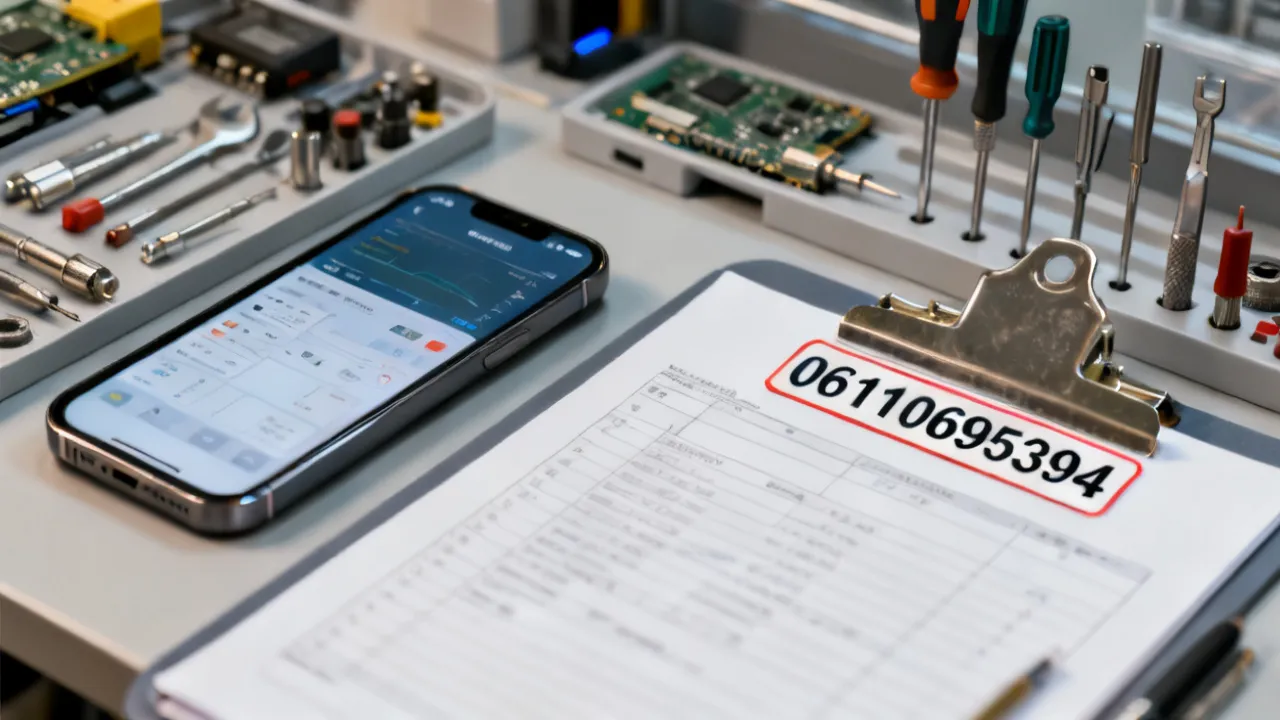
If you encounter the contact identifier 06110695394 during sourcing, the safest approach is to verify the supplier behind it before sending specifications, placing orders, or sharing sensitive information. Use the number as a starting point for confirmation—then validate business identity, service scope, and fulfillment conditions through documented steps.
In practical procurement work, identifiers like 06110695394 often function as a reference for a sales desk, a call routing line, or an internal listing number tied to a supplier record. Treat it as context, not as proof. The objective goal is to ensure the counterpart you reach can reliably provide the item/service you want, at the quality level you expect, with clear lead times, responsibilities, and documentation.
Many buyers accidentally “over-interpret” identifiers. A phone number or reference code can be real and still be incomplete, because procurement risk depends on what happens after the call: who will fulfill, what exactly is promised, how quality is assured, what happens if there is a mismatch, and how you can recover value if something goes wrong. Therefore, your process should treat 06110695394 as a pointer to a vendor interaction, then move quickly into evidence-based confirmation.
Even when a contact number appears legitimate, buyers still face risks such as mismatched service scope, unclear warranties, inconsistent inventory, delayed fulfillment, undocumented substitutions, or vague responsibility for damages. Industry best practice is to use structured verification to confirm:
Verification matters because procurement is not only about “getting something” — it is about getting the correct thing, on time, under defined terms, with enforceable documentation. In many disputes, the conflict is not about whether money was paid, but about whether expectations were captured in writing and whether the supplier’s deliverables match the agreed scope.
When you validate identity and terms up front, you reduce downstream friction: fewer rework cycles, fewer invoice corrections, fewer acceptance disputes, and improved consistency across future purchases. If you plan to use the supplier again, verification also helps you build a repeatable onboarding approach so you’re not reinventing due diligence each time you source.
Finally, verification supports internal governance. Even if the supplier is trustworthy, your organization may require documentation for audit trails, tax compliance, vendor master data, segregation of duties, or approval thresholds. A well-structured verification step ensures your procurement activities remain consistent with policy.
When you contact a supplier using 06110695394, ask questions that naturally reveal whether the line routes to the intended vendor and whether the vendor can support your request. For example:
This approach is objective and reduces ambiguity. It also discourages confusion caused by recycled or generic contact numbers.
To interpret the identifier effectively, you should consider multiple possibilities. In real supply chains, an “identifier” could be:
Because any of the above could be true, the key is to confirm what 06110695394 specifically represents in your case. Your first goal is not to “trust the number,” but to confirm the supplier can map that number to a real transaction record and to the correct business entity.
A practical technique is to ask for the identifier to appear on documents you can verify later (e.g., quotation PDF, invoice header, order confirmation). If the supplier cannot reference 06110695394 in documents, that doesn’t automatically mean fraud, but it does signal that tracking may be weak—which is a procurement risk for traceability.
The request you provided includes no explicit price figures, supplier brand, or location terms beyond the identifier. In real-world sourcing, you should still seek pricing clarity in a consistent format. Instead of assuming “a number” equals a “price,” request a line-item quotation that separates:
Where possible, request that quoted costs remain stable for a defined validity window (for example, a stated number of business days) so you can compare offers fairly.
Pricing clarity also includes understanding what is included and what is excluded. Buyers often focus on the total number and accidentally miss inclusion boundaries. For example:
When you ask these questions early, your quote becomes auditable and your internal approvals become easier because you can show exactly how the price is built and what it covers.
Additionally, clarify payment terms. A supplier may present a low “unit price” but compensate with high deposit requirements or unfavorable payment triggers. Therefore, ask for:
An effective procurement workflow typically follows a sequence—especially when the supplier is new to you. The aim is to ensure the supplier you reach using 06110695394 is the same entity that will fulfill the order you approve.
Step-by-step guide (verification + ordering)
To make this workflow even more robust, buyers often add two additional operational controls:
These controls reduce the risk of receiving items that look close to the requirement but fail the acceptance test. They also reduce “scope creep,” where the supplier claims the requirement changed after the order was placed.
To keep decisions objective, you should set internal conditions. A supplier communication process tied to 06110695394 should meet the following:
Beyond these core conditions, procurement teams often use risk-based thresholds to decide how much evidence is “enough.” For example:
This approach helps you move quickly without sacrificing governance, and it keeps your organization’s purchasing decisions defensible.
Additionally, you should assess responsiveness and professionalism. A supplier who refuses to clarify terms, avoids written documentation, or changes requirements during confirmation typically creates operational risk. While that may not be intentional, it still affects your ability to manage delivery and acceptance.
Because buyers sometimes choose different verification levels depending on risk exposure, the table below compares practical approaches. Use it to decide how much due diligence is appropriate for your situation.
| Verification approach | What you check | Top for | Limitations |
|---|---|---|---|
| Basic reference confirmation (using 06110695394) | Whether the contact number/reference is tied to a real sales record and consistent quoted scope | Low-complexity inquiries, fast prototyping, preliminary feasibility checks | May not confirm fulfillment reliability or quality documentation |
| Document-first verification | Invoice details, order confirmation content, warranty/returns terms, and delivery documentation | Repeat procurement, regulated environments, projects with audit requirements | Still requires you to assess technical fit and actual capability |
| Technical requirement validation | Spec conformance, testing approaches (where relevant), acceptable tolerances, and traceability of inputs | Technical goods/services where mismatch can cause operational downtime | Document validation is still needed to prevent identity/term mismatches |
| Risk-tiered governance | Combines identity checks, contract terms, sampling/inspection plans, and payment controls based on risk | Higher spend, critical operations, and long lead-time procurement | Requires internal time and defined procurement policy |
It is common to blend these approaches. For instance, even basic verification can be improved by requesting a written quotation that includes the reference number 06110695394. Similarly, technical validation can be strengthened by requiring documentation such as test certificates, inspection reports, or agreed acceptance criteria.
In many procurement organizations, risk-tiered governance is used as a standard playbook. It ensures that as risk increases—due to spend size, criticality, complexity, or delivery lead time—buyers add more evidence and controls rather than relying on instinct or a single identifier.
From an industry procurement standpoint, the biggest errors I see are not “bad suppliers” alone—they are process gaps. When teams treat a phone number like 06110695394 as proof of legitimacy, they often skip steps that would have caught inconsistencies early.
Common pitfalls include:
Another pitfall is failing to anticipate substitutions. If a supplier claims they can supply “equivalent” items, you still need a written statement of what they consider equivalent and how it will be validated. Without explicit substitution rules, you may receive materials that function differently, causing performance issues or compliance failures.
Buyers also sometimes overlook logistics and responsibility boundaries. For example, delivery conditions like “free delivery” can be ambiguous unless you specify who pays for transport, who arranges shipping, and what happens if the shipment is delayed due to carrier issues. A good procurement workflow clarifies:
Without these details, a supplier may blame carriers or “shipping terms” to avoid liability, and your ability to claim remedies becomes complicated.
When you contact a supplier, aim for clarity and traceability. Here is a professional message structure you can adapt (no need to mention any “affordable” claims):
To make your communication even more effective, include a short “document request” line. For example:
This helps ensure you receive information in a form that can be filed and approved internally.
Additionally, you should avoid making it too easy for a supplier to respond with vague statements. Instead, ask questions that require concrete outputs:
These questions not only reduce risk, they also help you assess supplier maturity. Suppliers who have clear internal processes typically respond with structured answers and documentation.
To keep procurement decisions grounded, rely on verifiable documentation and established quality/contracting principles. For broader guidance, buyers commonly reference standards and frameworks such as ISO 9001 (quality management principles) and procurement risk practices described in recognized governance resources. For compliance and definitions, consult authoritative bodies or industry associations relevant to your sector.
Suggested sources (for general standards and risk governance):
Note: The above references are for general governance and quality thinking; they are not vendor-specific proof of any supplier identity tied to 06110695394.
In practical terms, verification principles mean you should:
You should also apply the concept of “evidence sufficiency.” Evidence is not just collecting documents; it is ensuring documents support each other and match your actual requirements. For example, if the quote lists a warranty duration and the invoice later lists a different warranty boundary, that mismatch needs resolution before approval.
Similarly, if the supplier’s delivery note shows a different SKU/spec than the PO, you should treat it as a discrepancy and handle it via documented deviation processes. Consistent reference usage (including 06110695394 if it is meant to track the inquiry) helps you quickly identify which documents belong to which procurement activity.
06110695394 appears to be a contact identifier or reference used in a supplier workflow (such as a call-routing number, listing/reference number, or internal quotation tracker). The exact meaning can only be confirmed by the supplier that provides it—so treat it as a starting reference, not as verification by itself.
In many businesses, references like this are internal to their sales and support workflow. That means the supplier may be fully legitimate but may have used the number for an internal process that does not map clearly to your procurement needs. Your job as a buyer is to translate the supplier’s internal identifier into a clear external contract trail: quote, order confirmation, invoice, and delivery documentation should all align.
No. A number alone cannot establish identity, capability, or fulfillment reliability. You should validate identity and terms through written quotations, invoice details, order confirmations, and warranty/returns documentation.
Legitimacy includes more than existence; it includes operational competence. A supplier could have a valid phone number yet fail to provide consistent quality or documentation. Therefore, treat 06110695394 as a prompt to gather evidence rather than as evidence itself.
Request a structured quotation that separates unit/service cost, taxes/charges, shipping/handling responsibility, lead time, and warranty terms. Ensure the quotation references 06110695394 if that reference is part of the tracking process.
For added clarity, you can specify a quote format. For example: “Please provide pricing in a table with columns for unit price, quantity, extended price, taxes, shipping cost, and total.” A standardized quote reduces comparison errors and makes approval easier.
At minimum, request an official quote and a clear statement of terms. Depending on the item/service, also request order confirmation, invoice requirements, warranty/returns conditions, and any applicable compliance documentation.
If you are paying a deposit, some buyers also request a schedule or milestone plan that states exactly what the deposit funds. Then if delivery changes, you can trace responsibilities and request corrective action based on the agreed milestone plan.
Pause the order and request written clarification. Compare the quote and order confirmation against your requirements and acceptance criteria. If the terms change materially, negotiate an updated quote that reflects agreed conditions.
Conflicts commonly occur around warranty start dates, substitution allowances, shipping responsibility, and acceptance testing. A structured approach is to highlight the discrepancy line-by-line in an email and request confirmation: “Please confirm your position on warranty start date; it appears to differ between the quote and order confirmation.” This method reduces misunderstanding and creates an audit trail.
Yes: inconsistent business identity, refusal to provide written quotations, missing warranty/returns terms, unclear acceptance criteria, or reference numbers that do not match the quotation/order paperwork tied to 06110695394.
Other red flags include:
Define acceptance criteria in advance (spec requirements, inspection approach where applicable, and what documentation you need on delivery). Ensure both parties understand what “pass” means so disputes are resolved on objective grounds.
For goods, acceptance criteria might include physical inspection, dimensional checks, performance testing, burn-in testing, or verification of labeling and documentation. For services, acceptance might include deliverable format, deliverable timeline, documented results, and test/validation reports.
To keep it objective, you should also define:
Yes, but keep records distinct. If you contact multiple parties, document each supplier’s reference handling and ensure each quote and order confirmation clearly matches the supplier you intend to award.
To avoid mix-ups, many buyers create a procurement log. The log includes supplier name, contact person, date of contact, identifier/reference used (including 06110695394 where applicable), quote validity, and key terms (delivery, warranty, acceptance conditions). This makes it easier to audit decisions later and prevents accidental awarding based on the wrong quote reference.
Because the original keywords you provided do not specify a city or country, the standard term “nearby” is applied for localization-sensitive phrasing. When sourcing to customers or partners in a “nearby” area, local expectations often include faster response times and clearer logistics communication. In day-to-day business settings, buyers typically appreciate concise, written follow-ups after a first call—especially when coordinating delivery, invoicing, or inspection schedules. A straightforward message that references 06110695394, includes your requirements, and requests a structured quotation tends to align well with that expectation.
When communicating with nearby suppliers (or when a supplier team is local), you can also ask about practical logistics that matter more when delivery is short or urgent:
Even if delivery is local, documentation still matters. A nearby supplier might deliver quickly, but that does not reduce the need for written terms, warranty clarity, and acceptance criteria.
Localization can also affect compliance documentation. Different regions may require different invoice formats, tax details, or declarations of conformity. If you are dealing with suppliers in different jurisdictions, explicitly ask for the documents required for your internal finance and compliance processes.
Using 06110695394 effectively means treating it as a reference point in an evidence-based procurement process. Verify supplier identity, demand itemized quotation details, confirm warranty/returns terms, and insist on consistent documentation from quote through delivery. This approach supports objective decision-making and helps protect both technical outcomes and commercial responsibilities.
If you share what product or service category you are sourcing (e.g., electronics repair, component supply, logistics services), I can tailor the verification checklist, required documents, and FAQ set to that specific industry context—while keeping the process grounded in verifiable procurement practice.
To close the loop, remember the core principle: never let a single identifier replace due diligence. 06110695394 may be useful for tracking, but procurement quality depends on confirmed identity, documented scope, defined acceptance criteria, enforceable terms, and a complete record from inquiry to delivery.


This guide explains how “Bsfncdvcsfw” is applied in real-world buying and evaluation scenarios, focusing on what to check before committing. Objectively, it surveys the term as a shorthand identifier in procurement conversations, clarifies how teams assess vendors, scope, and cost inputs, and outlines practical requirements and decision conditions to support safer selection.

Este guia explica como avaliar serviços de tatuagem na região de Tatuapé, com foco em qualidade, segurança e experiência do cliente. De forma objetiva, apresenta o que considerar ao escolher um estúdio, como verificar biossegurança e reputação, e quais etapas ajudam a alinhar expectativas. As informações são orientadas ao setor, sem promessas irreais, para apoiar uma decisão responsável.

This guide explains how to evaluate antoniaRafaela across sourcing and pricing, with an objective lens on supplier fit and operational conditions. Background context is provided on how brand-focused product selection typically works, why documentation matters, and which risk controls buyers use to align quality expectations with measurable process requirements.

This guide explains ejwowjw and its related terms by framing how procurement decisions are made, quality is verified, and suppliers are evaluated. Background context clarifies how “ejwowjw” functions as a knowledge placeholder in sourcing workflows, what buyers typically assess, and why documentation, traceability, and risk controls matter in everyday purchasing.
This guide explains how to evaluate potential suppliers and confirm lead legitimacy when you encounter a contact number like 04978681642. It provides objective background on what such identifiers mean in procurement, how to reduce misrouting risk, and how to document checks. You’ll also find a comparison of sourcing conditions and clear requirements before placing any order.
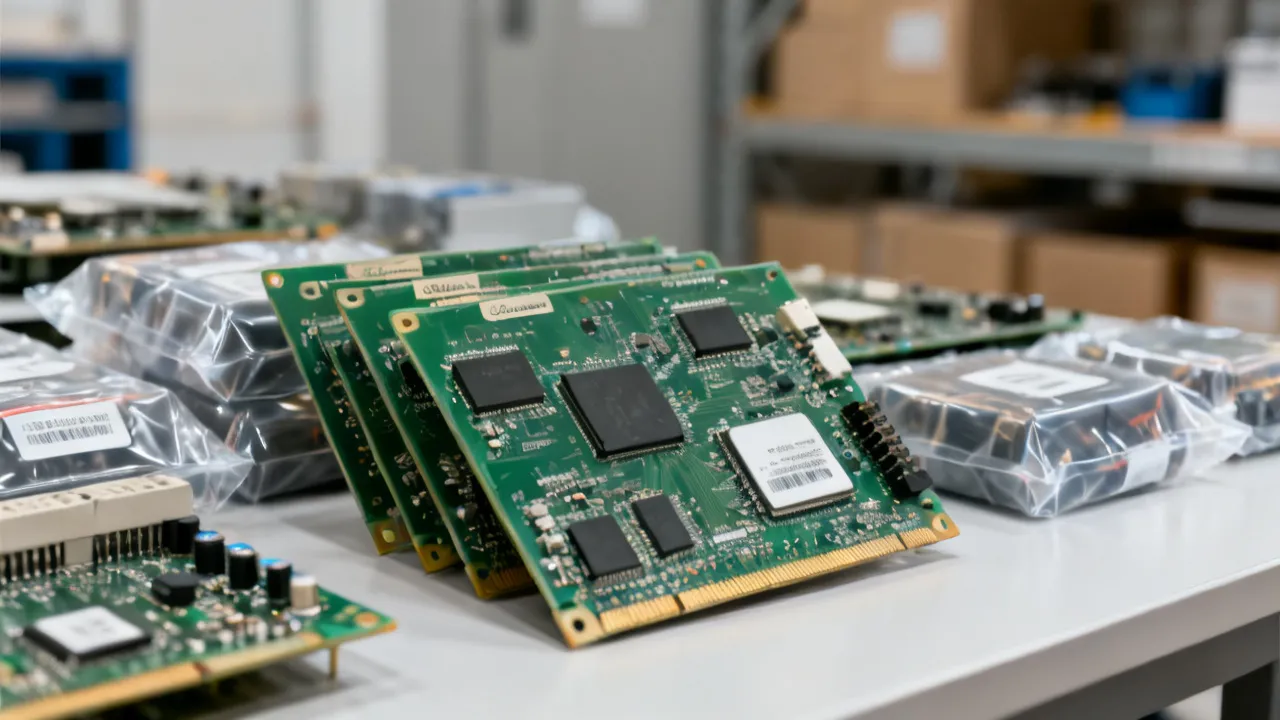
This guide explains htrrhjredf by breaking down what “htrrhjredf” signals in sourcing and procurement workflows, how partners interpret it, and what buyers should verify before purchase. Objectively, the keywords shown indicate a catalog-style identifier and classification context often used in inventory systems, where supplier readiness, documentation, and lead-time alignment matter for risk control.